
The Beginner's Guide to Batch Cooking
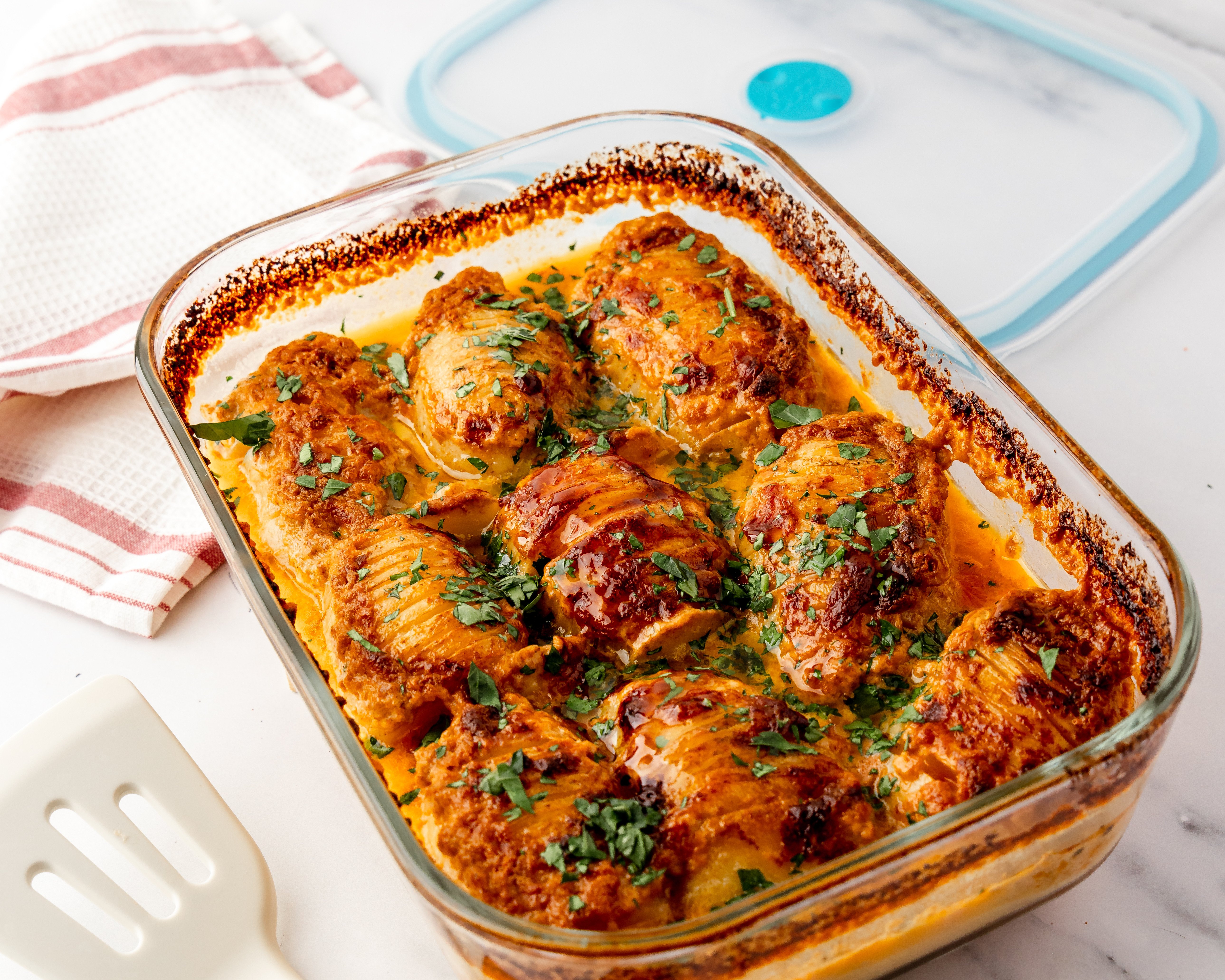
What Is Batch Cooking?
If you've ever cooked a big pot of soup on Sunday and eaten it three times before Thursday, congratulations you've already batch cooked. At its simplest, batch cooking just means preparing larger quantities of food in one session, so you have ready-made meals (or meal components) waiting for you throughout the week.
It's worth clearing up the difference between batch cooking and meal prep, because the two often get lumped together. Meal prep typically means portioning out complete, ready-to-eat meals in advance; think identical lunch containers lined up in the fridge. Batch cooking is a little more flexible than that. The cook-once-eat-multiple-times approach is the whole point, but how and when you eat it is entirely up to you.
That flexibility is what makes batch cooking so appealing. It's not about rigidly pre-planning every meal. It's about giving yourself a head start.
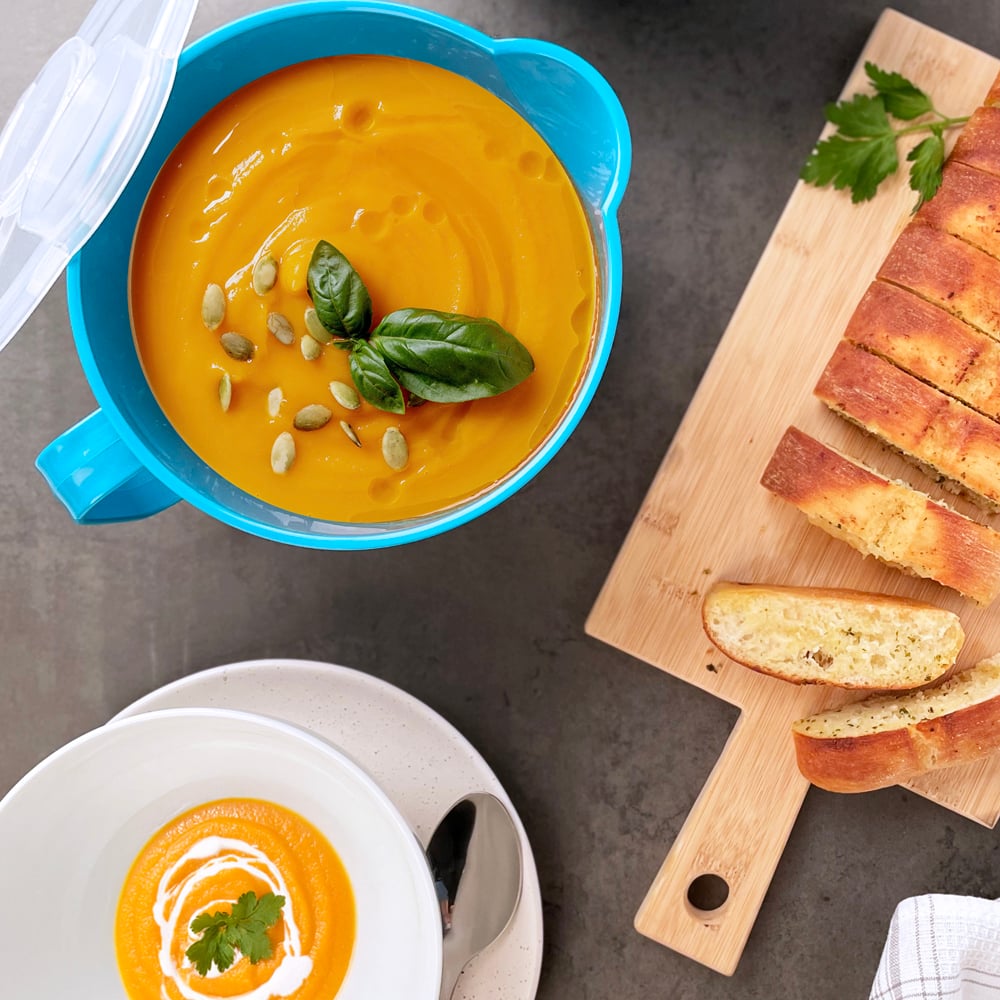
Why Batch Cooking Works
It saves you time during the week
The maths on this one is pretty straightforward. Cooking four portions of a meal takes only marginally longer than cooking one, but it saves you starting from scratch three more times. When Wednesday night rolls around and you're tired, having something ready to reheat is genuinely life-changing.
It reduces food waste
Batch cooking gives you a plan for your ingredients before they have a chance go out of date. When you shop with a batch cooking session in mind, you buy what you need and actually use it, which is better for your conscience and your bin.
It helps with budgeting and planning
Cooking in bulk is almost always more cost-efficient than cooking in small quantities. You're buying ingredients in larger amounts, wasting less, and far less likely to resort to expensive last-minute takeaway because there's nothing in the fridge. Over a week, those savings add up quickly.
It makes healthy eating easier and more consistent
One of the biggest barriers to eating well during a busy week is decision fatigue. When you're tired and hungry, willpower isn't at its peak. Having nourishing, home-cooked meals already prepared removes the decision entirely: the healthy choice becomes the easy choice.
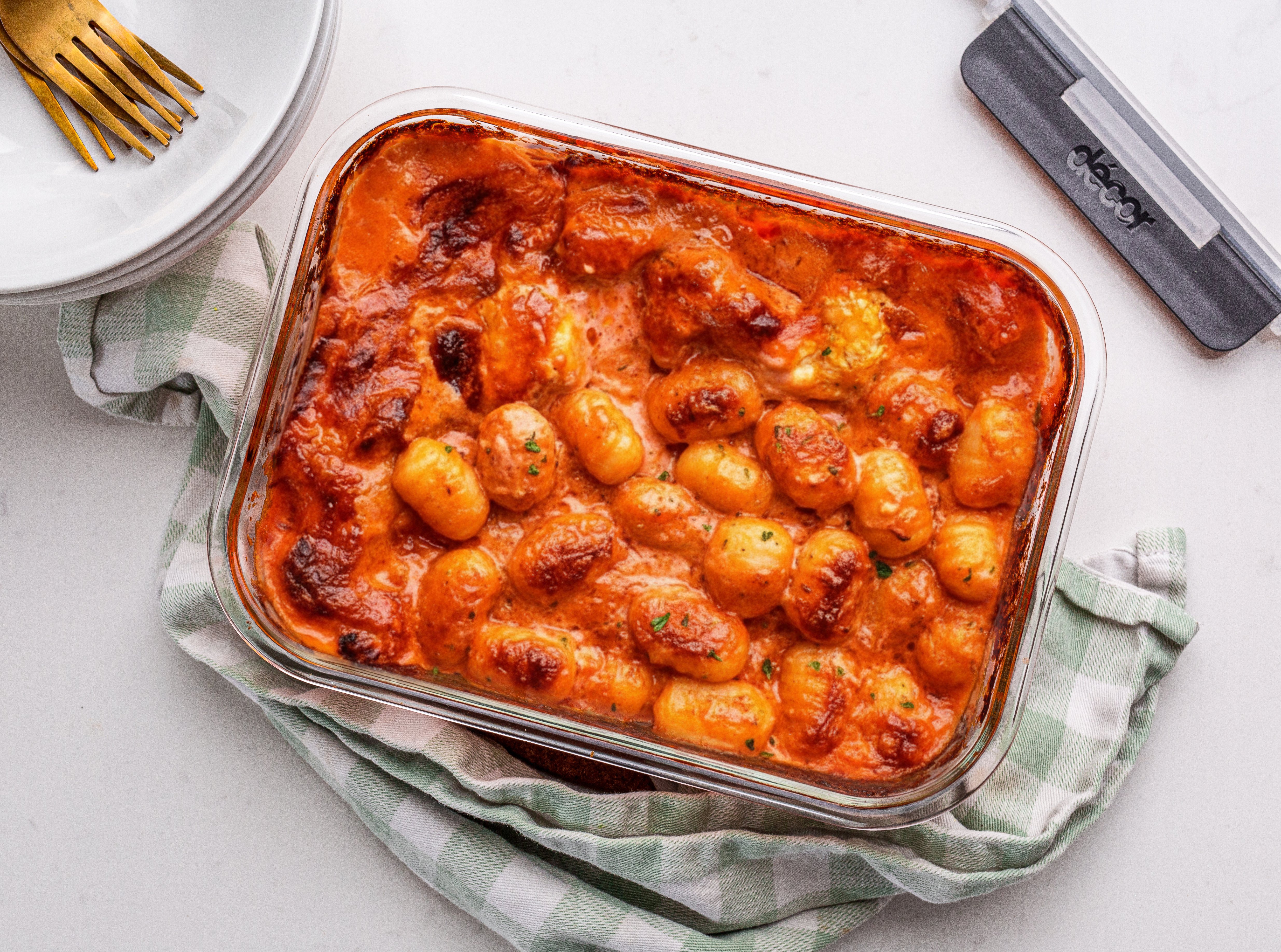
Best Meals for Batch Cooking
Not everything batch cooks equally well, so it's worth knowing where to focus your energy. The best candidates are meals that reheat without losing too much in texture or flavour, freeze well if you need to extend their shelf life, and scale up without requiring you to babysit the stove.
Soups & Stews
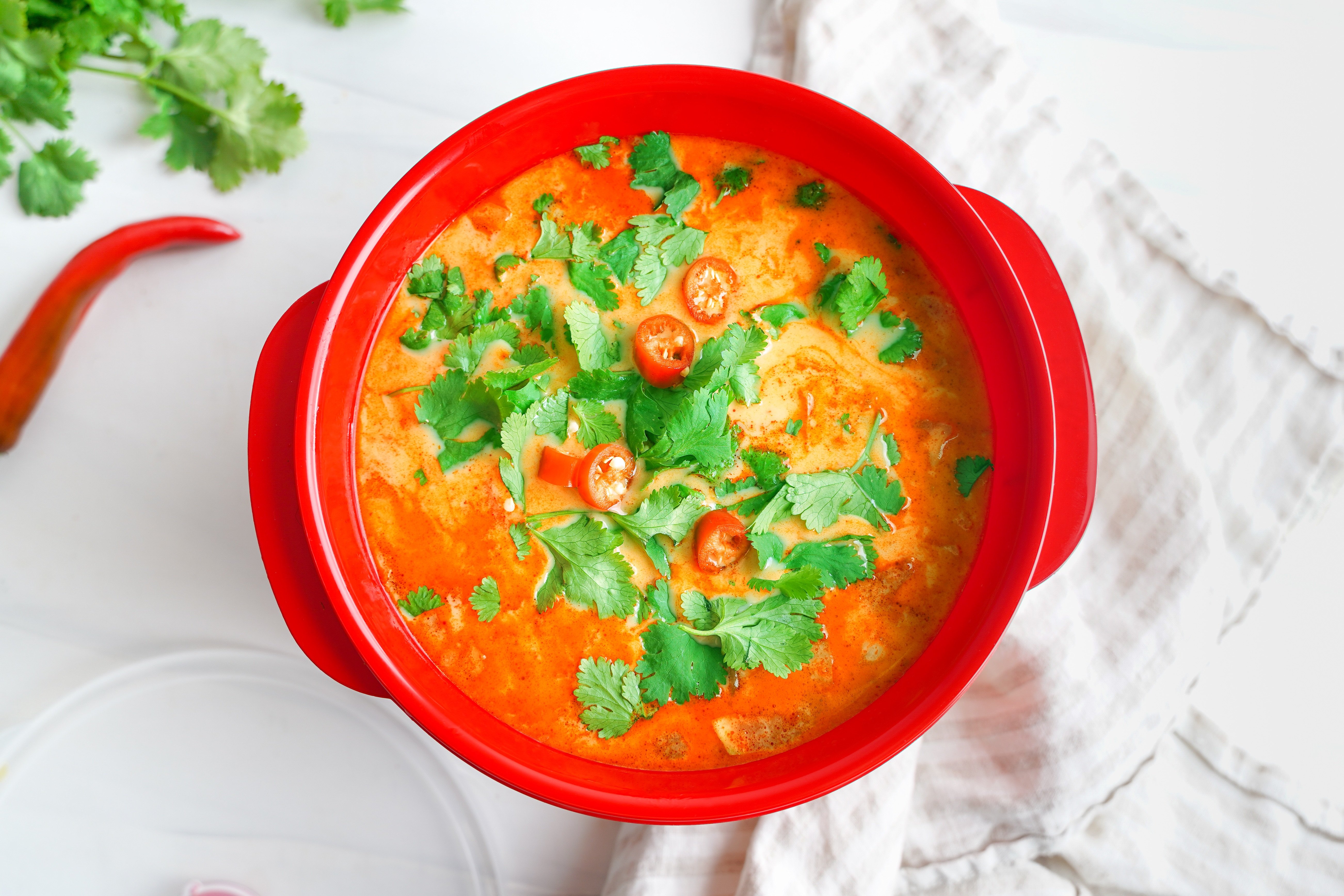
Soups and stews are the gold standard of batch cooking, and for good reason. They're easy to scale up, genuinely taste better after a day or two as the flavours develop, and they freeze and reheat brilliantly. A big pot of something warming on a Sunday afternoon sets you up beautifully for the week ahead.
If you're looking for a place to start, our Easy Winter Warmer Pumpkin Soup is a great one with simple ingredients, minimal effort, and it reheats like a dream.
Pasta & Rice Dishes
Versatile, filling, and portion-friendly, pasta and rice dishes are batch cooking workhorses. Pasta bakes, fried rice, and risottos all hold up well in the fridge for several days and reheat without much fuss. They also provide the most versatility. Simply add different proteins or vegetables across the week to keep things interesting without cooking a whole new dish.
Our Italian Pasta Salad is a brilliant batch option that works just as well cold as it does warm, making it perfect for weekday lunches.
One-Pot Meals
If you want maximum output for minimum effort (and minimal washing up), one-pot meals are your best friend. Chilli, curries, and stir-style dishes all come together in a single vessel, which means less time cleaning and more time doing anything else you'd rather be doing.
Our One Pot Pasta is exactly what it promises. It is satisfying, straightforward, and ideal for making in bulk.
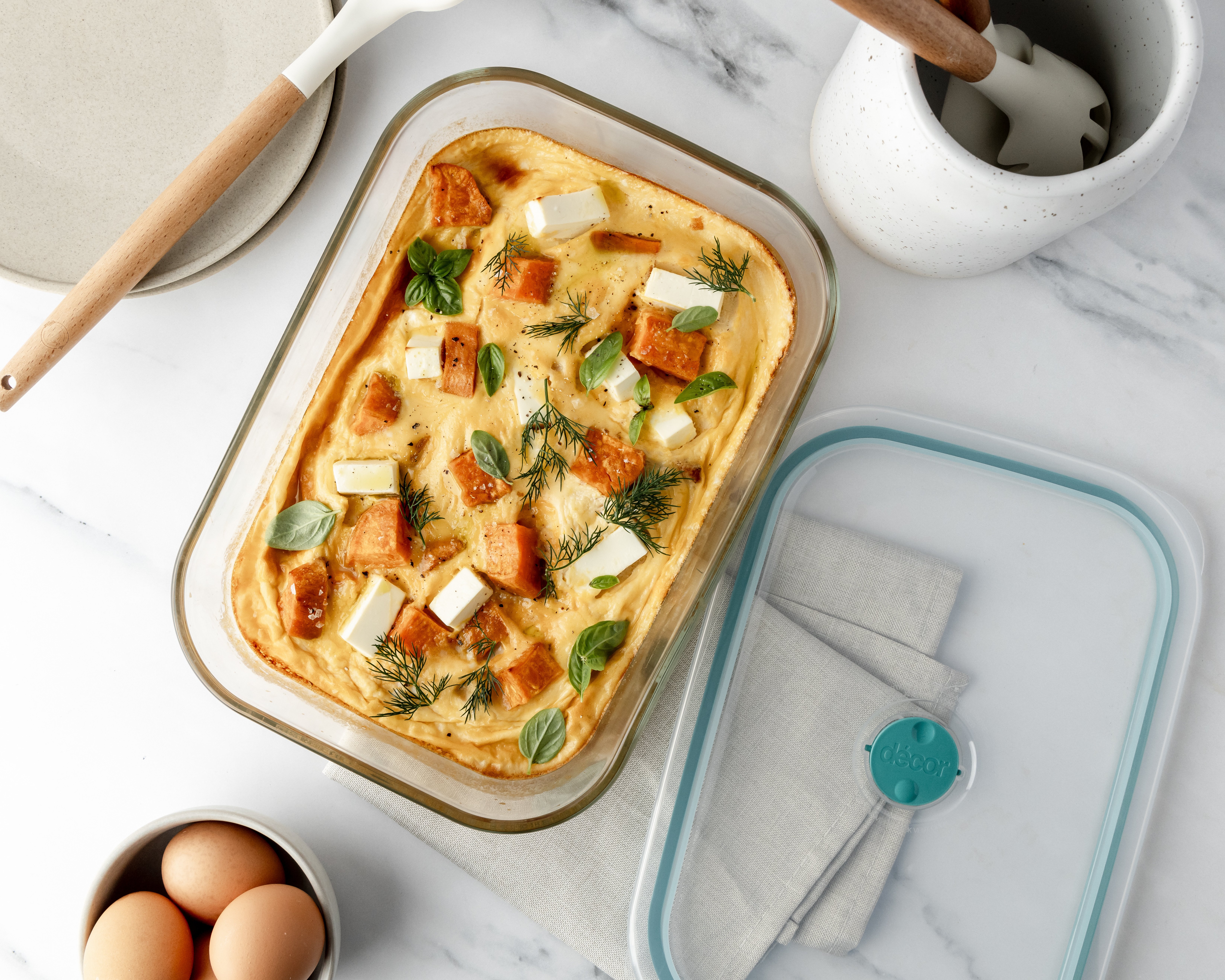
How to Batch Cook Efficiently
Plan Your Meals
Before you start cooking, spend ten minutes mapping out what you want to make. The real trick here is choosing recipes that share ingredients. If your soup and your stir-fry both use the same vegetables or protein, you've just halved your prep time and your shopping list. Overlapping ingredients are the backbone of a good batch cook session.
Cook in Bulk
Once you're in the kitchen, make it count. Use your largest pots and pans and think about what can run simultaneously. The soup can be simmering on the back burner while the pasta bake is in the oven. You're not just cooking more food; you're making the most of your time and energy in one concentrated session.
Portion Your Meals
Resist the temptation to tip everything into one giant container. Portioning meals into individual or family-sized servings before they go in the fridge makes a real difference. Food cools faster, reheats more evenly, and you can grab exactly what you need without disturbing the rest. It's also a smarter approach to managing how long things last.
Use the Right Containers
All of this only works if your storage is up to scratch. Airtight, stackable containers are non-negotiable for batch cooking because they keep food fresher for longer, prevent odours from spreading through the fridge, and make it easy to see what you've got at a glance.
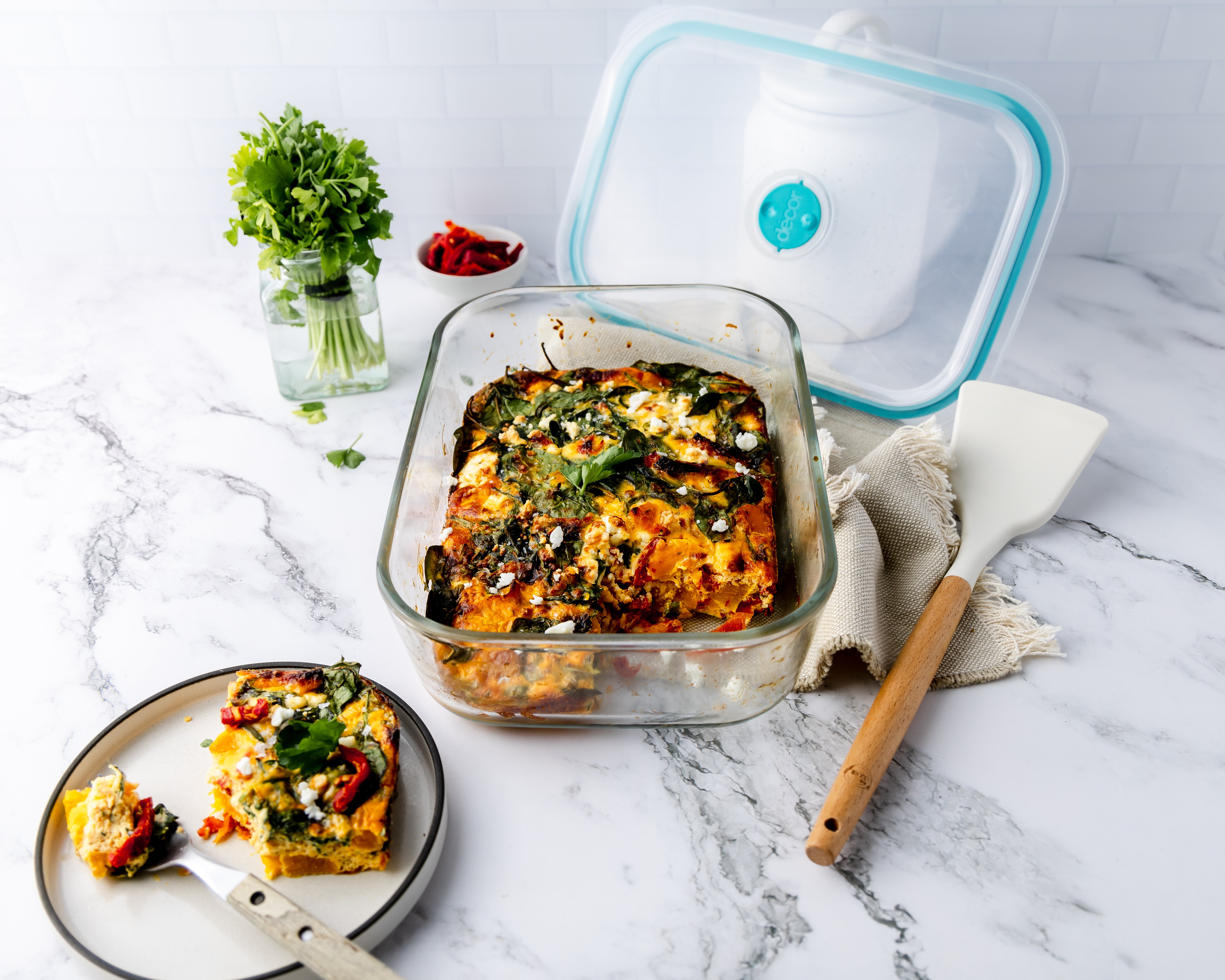
Décor's food storage range is designed exactly for this kind of use. Whether you're after glass containers that go straight from fridge to oven, or durable plastic options for everyday portioning, the right container makes the whole system work. Explore the Décor food storage range here.
Label and Organise
This one takes about thirty seconds and saves a lot of guesswork later. Write the contents and the date on each container before it goes in the fridge or freezer. When everything is labelled, your fridge becomes a proper system rather than a mystery box, and you'll always know what needs to be eaten first.
Common Batch Cooking Mistakes to Avoid
Even with the best intentions, a few habits can undermine your efforts. Here's what to watch out for:
Not planning ahead: Diving into a batch cooking session without a plan means you'll likely end up with three versions of the same meal and nothing to show for it by Thursday. Five minutes of planning makes the whole session more efficient.
Storing food incorrectly: Putting hot food straight into the fridge, using containers that aren't properly airtight, or skipping labels are all easy ways to undo your hard work. Good storage is the difference between meals that last four days and meals that go off by Tuesday.
Not portioning meals properly: One large container of everything sounds convenient until you're fishing out a single portion with a spoon at 7pm on a Wednesday. Portion from the start and save yourself the hassle.
Reheating too many times: Only reheat what you're actually going to eat. Repeatedly heating and cooling food isn't great for food safety, and it's not great for texture either. If you've batch cooked a big quantity, freeze what you won't use within the next few days.
For a deeper dive into getting the storage and reheating side of things right, our guide on how to store and reheat leftovers covers everything you need to know.
FAQs About Batch Cooking
What is batch cooking?
Batch cooking means preparing larger quantities of food in a single cooking session so you have ready-made meals or components available throughout the week. It's a flexible approach that you cook once, eat multiple times, and it works for everything from full meals to individual components like grains, proteins, or sauces.
What meals are best for batch cooking?
Soups, stews, curries, pasta bakes, fried rice, and one-pot meals are all excellent choices. They scale up easily, hold their flavour and texture well in the fridge or freezer, and reheat without much effort.
Can you freeze batch-cooked meals?
Absolutely. Most batch-cooked meals freeze well for up to 2–3 months. Soups, stews, curries, and pasta sauces are particularly freezer-friendly. For best results, store in airtight, freezer-safe containers and leave a little space at the top for liquids that expand as they freeze.
How long do batch meals last?
Most cooked meals will keep safely in the fridge for 3–4 days when stored in an airtight container. Anything you won't eat within that window is worth freezing straight away rather than hoping for the best.
What containers are best for batch cooking?
Airtight and stackable are the two things that matter most. Glass containers are ideal if you want to go straight from fridge to oven or microwave. Durable plastic containers are great for portioning and portability. Décor's food storage range covers both, with options designed for exactly this kind of everyday use.
Final Thoughts: Cook Once, Eat Smarter
Batch cooking isn't about spending your entire Sunday in the kitchen or committing to a rigid meal plan. It's about working smarter: using one good session to take the pressure off the rest of your week.
The best place to start is small. Pick one recipe, make a double batch, and see how much easier it makes the next few days. Once you feel the difference, the habit tends to stick pretty naturally.
When you're ready to set your kitchen up properly for it, explore Décor's full food storage and meal prep range, because the right containers make the whole system a lot easier to stick to.