Freezer Meal Prep Made Easy
What Is Freezer Meal Prep?
Freezer meal prep is exactly what it sounds like, preparing meals or meal components in advance and storing them in the freezer so they're ready to go whenever you need them. It's the ultimate make-ahead strategy, giving you a stocked freezer full of home-cooked food that can be reheated on demand with minimal effort.
It's worth distinguishing this from standard meal prep. Regular meal prep tends to focus on the week ahead; you prepare lunches or dinners for the next five days and store them in the fridge. Freezer meal prep extends that timeframe significantly. You might spend a few hours cooking on a Sunday and end up with meals that cover the next month, or longer. The freezer is what makes that kind of planning possible.
The flexibility is the real appeal. You're not committing to eating the same thing on the same day every week; you're building a reserve of meals you can pull from whenever life gets busy, whenever you don't feel like cooking, or whenever you simply want something good without the effort.
Why Freezer Meal Prep Makes Life Easier
It saves time during busy weeks
The time you invest in a freezer meal prep session pays back many times over across the weeks that follow. Instead of cooking from scratch every night, you're reheating something you've already made; a task that takes minutes rather than an hour.
It reduces food waste
One of the most common causes of food waste is ingredients that don't get used before they go off. Freezer meal prep gives you a system for using produce while it's at its best, cooking it into meals that will last for months rather than days.
It helps with budgeting and planning
Cooking in bulk is almost always more cost-efficient than cooking in small quantities. You're buying ingredients in larger amounts, wasting less, and far less likely to resort to expensive takeaway on a night when cooking feels like too much.
It makes quick meals more accessible
A well-stocked freezer means a home-cooked meal is always within reach. For families, busy professionals, and anyone who goes through periods of high pressure at work or at home, having that reserve available removes a significant source of daily stress.
Best Meals for Freezer Meal Prep
Not everything freezes equally well, so it pays to know which meals are worth the effort and which ones are better made fresh. The best candidates are dishes that reheat without losing much in texture or flavour, and that are practical to make in large batches.
Soups & Stews
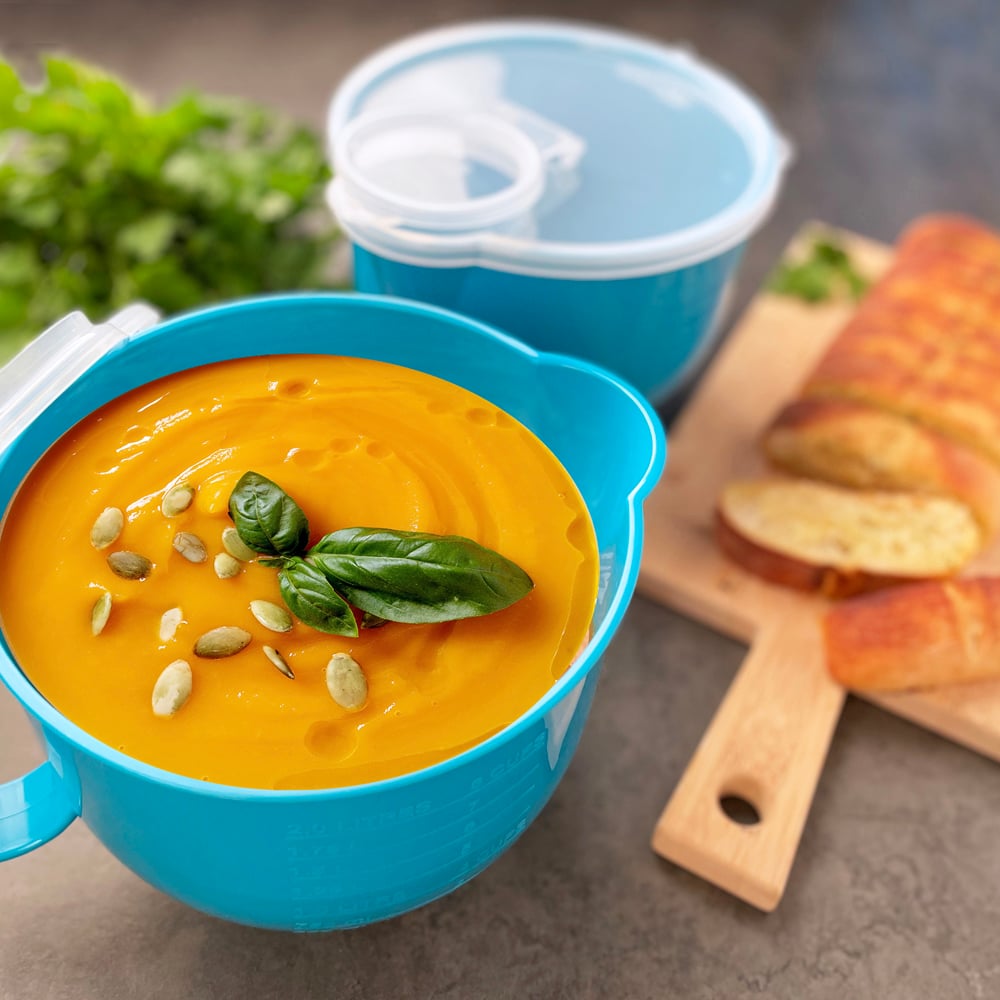
Soups and stews are the gold standard of freezer meal prep. They're easy to make in large quantities, freeze and reheat brilliantly, and often taste even better after a stint in the freezer as the flavours continue to develop. Portion into individual or family-sized containers before freezing for maximum convenience.
A great starting point: Easy Winter Warmer Pumpkin Soup
Pasta Bakes & Lasagne
Pasta bakes and lasagne are freezer prep classics for a reason. They're family-friendly, satisfying, and hold up exceptionally well after freezing. Cook a full tray, portion it into servings, and you have a reliable weeknight dinner ready to go whenever you need it.
Try this: Baked Pumpkin Gnocchi
Curries & Slow-Cooked Meals
Curries, slow-cooked stews, and braises are some of the most freezer-friendly meals you can make. The flavours deepen after freezing, which means they often taste better reheated than they did fresh. They also pair easily with freshly cooked rice or bread, so you only need to prepare one component on the night.
Breakfast Freezer Meals
Freezer meal prep isn't just for dinner. Savoury muffins, breakfast burritos, and smoothie packs all freeze well and make busy mornings significantly easier. Prepare a batch on the weekend and you have breakfast sorted for weeks ahead, with no morning effort required beyond reheating.
Freezer-Friendly Snacks
Energy bites, bliss balls, baked treats, and smoothie packs are all worth including in a freezer prep session. They're quick to make in bulk, freeze well, and provide a practical alternative to reaching for something less nutritious when hunger strikes between meals.
How to Prep Meals for the Freezer
Plan Meals in Advance
Before you start cooking, spend a few minutes deciding what you want to freeze and why. The most efficient approach is to choose recipes that share ingredients, so you can buy and use everything in one shop without waste. Focus on meals you know your household will reliably enjoy, since a freezer full of meals nobody wants to eat defeats the purpose.
Portion Before Freezing
Portion meals before they go into the freezer rather than after. Individual portions are convenient for solo meals or packed lunches; family-sized portions are better when you want a complete dinner ready to go. Portioning before freezing also means food freezes faster and more evenly, and you only ever defrost exactly what you need.
Cool Food Properly
Never put hot food directly into the freezer. Allow meals to cool to room temperature first, ideally within two hours of cooking, before sealing and freezing. Putting warm food into the freezer raises the internal temperature, which affects the quality of surrounding food and can create condensation that leads to freezer burn.
Use Freezer-Safe Containers
The quality of your containers matters more for freezing than almost any other storage task. You need containers that are airtight to prevent freezer burn, sturdy enough to handle low temperatures without cracking or warping, and stackable to make the most of the space you have.
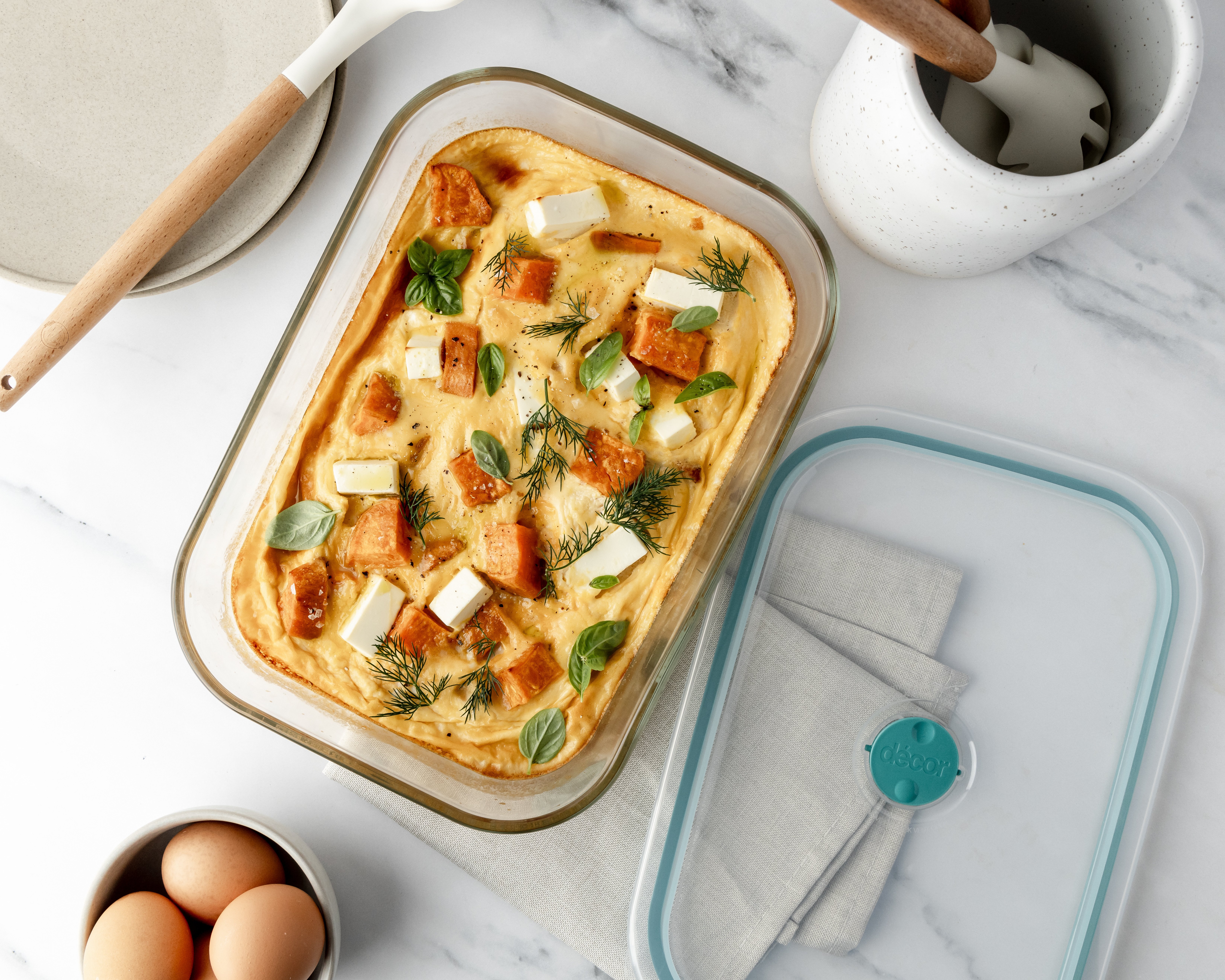
Décor's Design Series Premium Glass Clips range is an excellent option for freezer meal prep. The containers are freezer-safe, airtight, and stack neatly to keep your freezer organised. Glass also has the advantage of being odour-resistant and going straight from freezer to microwave or oven without any issues.
Explore the range: Design Series Premium Glass Clips
Label Everything Clearly
A container with no label is a mystery, and a freezer full of mysteries is a system that quickly breaks down. Before anything goes into the freezer, label it with the meal name and the date it was prepared. A piece of masking tape and a marker is all you need. Clear labelling means you always know what you have, what needs to be eaten first, and how long something has been in there.
How to Store Freezer Meals Properly
Organise Your Freezer Efficiently
A well-organised freezer is significantly easier to use than one where meals are stacked without any system. Group similar meals together, keep newer items at the back so older ones get used first, and use stackable containers to make the most of the vertical space you have. A freezer that's easy to navigate means you'll actually use what's in it.
For more guidance on storage and reheating best practices: How to Store and Reheat Leftovers
Avoid Freezer Burn
Freezer burn happens when food is exposed to air inside the freezer, drawing out moisture and leaving dry, discoloured patches that affect both texture and flavour. The best prevention is a genuinely airtight seal; containers with clip-lock lids or strong-sealing zip-lock bags are the most reliable options. Remove as much air as possible before sealing and never overfill containers.
Know How Long Meals Last
As a general guide, most cooked freezer meals will maintain good quality for two to three months. Soups, stews, and curries tend to last toward the longer end of that range; meals with dairy or eggs are better eaten within one to two months. Always label with the date and aim to work through your freezer stock regularly rather than letting meals sit indefinitely.
How to Reheat Freezer Meals
Reheating from Frozen vs Defrosting First
For most meals, defrosting overnight in the fridge before reheating gives you the best results: more even heating, better texture, and less risk of the outside overcooking before the centre is hot through. That said, soups, stews, and sauces can generally be reheated directly from frozen with good results, especially on the stovetop. Meals like lasagne or pasta bakes are better defrosted first.
Microwave Reheating
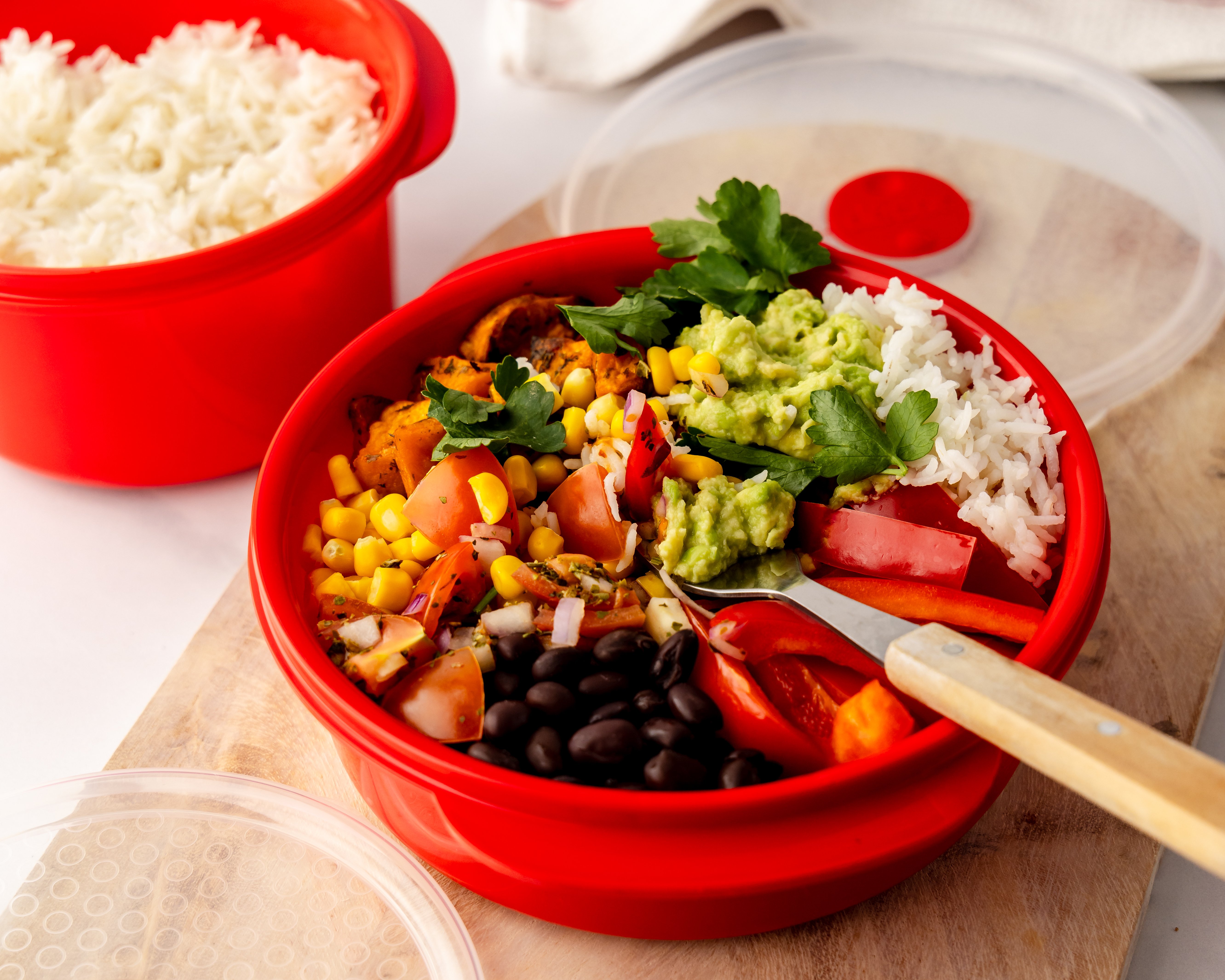
The microwave is the most convenient option for most freezer meals. Use a microwave-safe container, cover with a vented lid to retain moisture, and reheat in intervals, stirring between rounds to ensure even heating throughout. Never microwave a container that isn't designed for it.
Oven Reheating
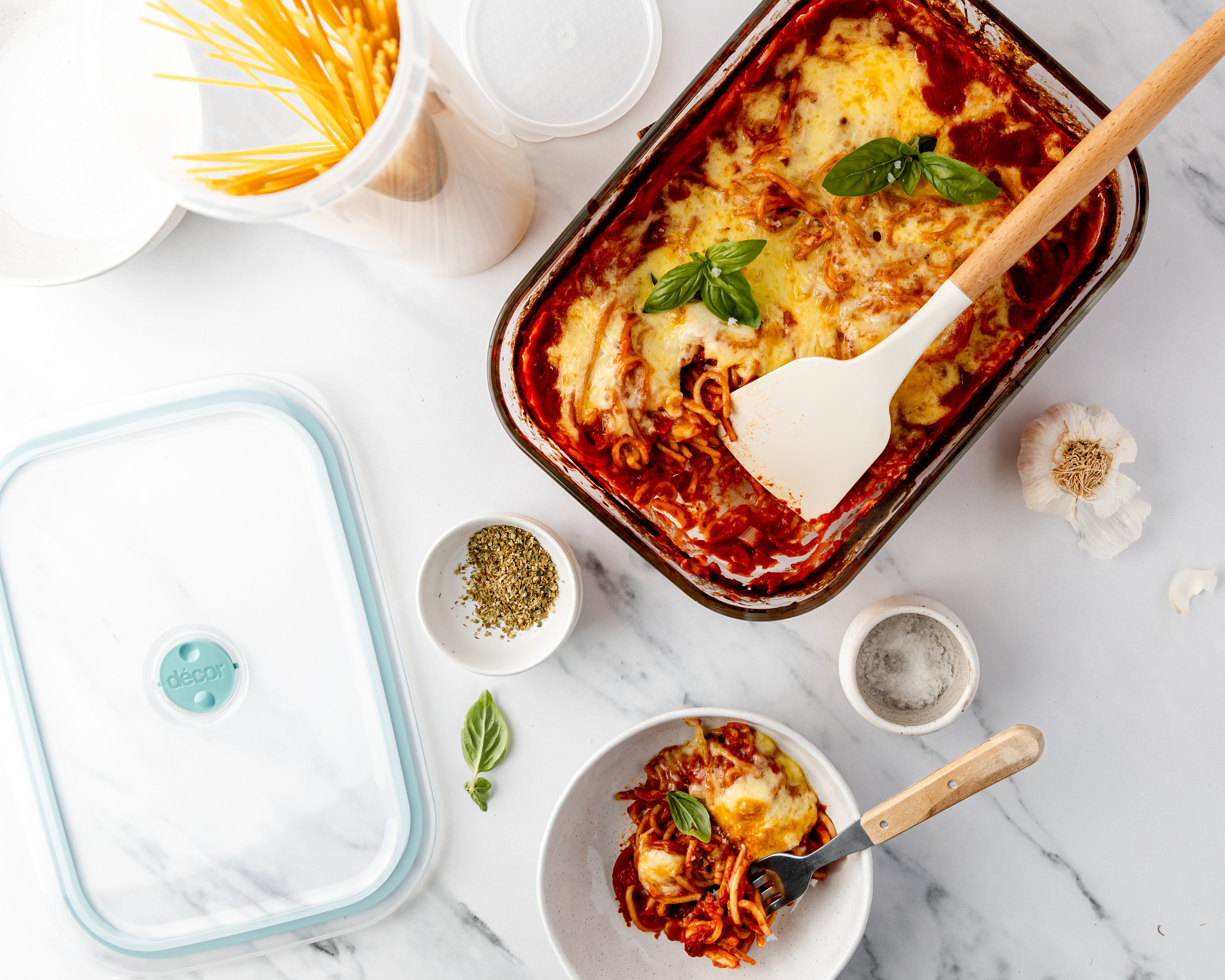
For baked meals like lasagne, pasta bakes, and casseroles, the oven gives you the best results. Cover the dish with a lid or foil to prevent the top from drying out and reheat at a moderate temperature (around 160–180°C) until heated through. It takes longer than the microwave, but the texture is noticeably better.
Stove Reheating
Soups, curries, and sauces reheat most evenly on the stovetop. Use a low to medium heat, stir regularly, and add a small splash of water or stock if the dish has thickened during freezing. This method gives you the most control over the final result.
Tips for Keeping Meals Fresh and Flavourful
Add a small amount of liquid before reheating anything that tends to dry out; a splash of water, stock, or sauce makes a noticeable difference. Avoid overheating, which toughens proteins and dulls flavours. A squeeze of lemon or a handful of fresh herbs after reheating can bring a dish back to life quickly.
More tips on storage and reheating: How to Store and Reheat Leftovers
Common Freezer Meal Prep Mistakes to Avoid
Freezing unsuitable foods: Not everything freezes well. Foods with high water content like cucumber, lettuce, and raw tomatoes lose their texture entirely. Creamy sauces, cooked potatoes, and dishes with whole eggs can also be problematic. Stick to meals you know are freezer-friendly and prepare fresh sides separately where needed.
Using the wrong containers: Containers that aren't properly airtight or aren't designed for freezer temperatures will crack, warp, or let in air; any of which leads to freezer burn and wasted food. Always use containers that are specifically rated as freezer safe.
Forgetting labels and dates: Without labels, a full freezer becomes difficult to manage and food gets forgotten. Every container should have the meal name and preparation date before it goes in.
Refreezing reheated meals: Once a meal has been reheated, it should not be refrozen. Portion meals before freezing so you only ever defrost what you intend to eat.
Overfilling containers: Liquids and foods with high moisture content expand as they freeze. Leave a couple of centimetres of space at the top of any container to allow for this; otherwise, lids can crack or pop off.
FAQs About Freezer Meal Prep
What meals freeze best?
Soups, stews, curries, pasta bakes, and slow-cooked meals are all excellent candidates. They freeze and reheat well, often taste better after freezing, and are straightforward to make in large batches. Breakfast muffins, burritos, and smoothie packs also freeze well for quick morning meals.
How long do freezer meals last?
Most cooked meals will maintain good quality in the freezer for two to three months. Label everything with the date and try to rotate your stock regularly so nothing gets forgotten at the back.
What containers are best for freezer meal prep?
Airtight, freezer-safe containers are essential. Glass containers with clip-lock lids are an excellent option; they don't absorb odours or stains, stack neatly, and can go straight from freezer to microwave or oven. Sturdy, BPA-free plastic containers are a good lightweight alternative for larger batches.
Can you reheat meals straight from frozen?
For soups, stews, and sauces, yes; reheating from frozen on the stovetop or in the microwave works well. For denser meals like pasta bakes or lasagne, defrosting overnight in the fridge first gives you a much better result.
What foods should not be frozen?
Foods with high water content (cucumber, lettuce, raw tomatoes), creamy or dairy-heavy sauces, cooked potatoes, and dishes containing whole eggs or mayonnaise don't freeze well and are better made fresh.
Final Thoughts: Make Mealtimes Easier with Freezer Meal Prep
Freezer meal prep is one of the most practical habits you can build in the kitchen. A few hours of cooking translate into weeks of stress-free meals, less food waste, and the quiet reassurance of knowing there's always something good ready to eat.
Start small. Choose two or three recipes you know your household enjoys, double the batch, and see how much easier the following weeks feel. Once the freezer starts filling up, the habit tends to take care of itself.
When you're ready to set your storage up properly, explore Décor's freezer-safe food storage solutions and make sure every meal you prep stays fresh, organised, and ready to go.